
Foundation Wall Cracks: What They Mean
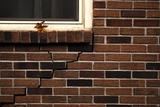
A crack in your home’s foundation is never a welcome discovery. Regardless of where you locate the foundation crack, it doesn’t take a ton of construction knowledge to know it’s probably not a good thing and needs to be addressed sooner rather than later.
In this article, we’ll address the different types of foundation wall cracks, what causes foundation cracks, and some productive and non-productive crack repair solutions.
Types of Foundation Wall Cracks
It may seem reductive, but determining the type of foundation crack you have can begin to tell you a lot about what is going on at your home. Foundation cracks can be broken down into three categories: horizontal cracks, vertical cracks, and stair-step cracks. Below, we’ll break down different types of foundation cracks, providing pictures of normal foundation cracks and highlighting when they may indicate a serious issue.
Horizontal Crack
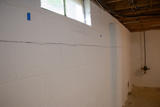
A horizontal crack in a concrete block wall, poured cement basement, or crawl space is usually a sign of outside pressure pushing in on your wall. The outside pressure can occur for several reasons, like tree roots being too close or poor construction, but by far the most common is hydrostatic pressure resulting from poor drainage.
When water is allowed to pool around the foundation of a home, it saturates the soil. In areas like lower Michigan, where there is a high percentage of clay, this can cause big problems. Clay is highly absorbent, meaning it sucks up the pooling water and expands. This change in volume results in inward pressure on the concrete wall, causing a horizontal crack. It’s not uncommon to notice water leaking from the crack since the soil surrounding the home is often wet.
Vertical Crack
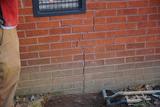
Although vertical cracks in foundation walls occur in both concrete block and poured concrete wall foundations, they are typically more common in poured concrete walls. This type of crack is a result of settling, sinking foundations.
While there is some normal settlement, a vertical foundation crack should never be ignored. Depending on the size of the crack, the degree to which it changes, and the location, a vertical crack can be a sign of a significant problem. It’s always best to have any crack inspected by a professional from FSM who is familiar with the soil conditions and weather. They can assess if a hairline crack is caused by natural settlement or is a sign of a larger problem.
Stair-Step Crack
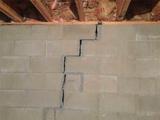
Stair-step foundation cracks are common in concrete block walls, with the cracking often running through the mortar joints. The crack usually begins in a corner and follows the concrete block steps down towards the floor in the middle of the wall.
A stair-step crack, especially one that starts in a corner, is one of the most common signs of foundation settlement. Typically, you’ll notice this type of crack first, before other problem signs, like nail pops, drywall cracks, or a leaning chimney, occur.
Foundation Wall Crack Causes
Foundation wall cracks can be a result of many different factors, but two of the most common are the soil type and the area’s weather conditions. Michigan has hot, humid summers and cold, snowy winters, and while the soil conditions differ from Royal Oak to Traverse City, both the clay soil in southeast Michigan and the sandy soil in Northern Michigan can cause problems for your foundation.

Clay Soil Problems
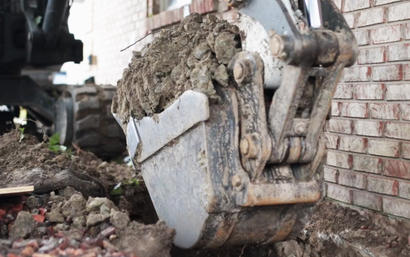
When your home is surrounded by clay soil, it absorbs water easily and expands. This adds pressure to the basement walls, causing them to bow inward. As they bow, foundation wall cracks appear, allowing water to enter. Basement floor cracks are often an issue with clay soils beneath your home. A poor drainage system accelerates this process.
Sandy Soil Problems
While sandy soil is typically better draining, it is also prone to erosion. When the soil around your foundation washes away, a void is created. Naturally, the weight of your foundation settles into this void, causing foundation cracks.
Foundation Wall Cracks Solutions
As you may have concluded, the solution for a basement wall or foundation crack depends on the reason the crack is occurring in the first place. Unfortunately, there is no amount of sealant, caulk, or epoxy that will stand up to the environmental pressures that cause foundation cracks in the first place.
Below are a few of the suggestions your FSM inspector may recommend.
Wall Anchors
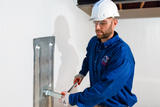
For foundation cracks caused by hydrostatic pressure, the permanent solution is wall anchors. Wall anchors can be installed year-round and restore your home’s structural integrity by securing your foundation, preventing future inward movement, and, in some cases, even moving walls back to their original location.
Wall Braces
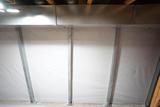
Wall braces provide a strong, long-term solution for bowing basement walls caused by soil pressure.
These steel reinforcements are installed vertically along the affected wall, securing it in place and preventing further inward movement. Unlike temporary fixes, wall braces offer continuous support and can be adjusted over time to gradually straighten the wall, restoring your home’s structural stability.
Foundation Pier System
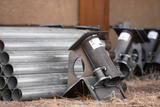
Helical piers stabilize your home’s sinking foundation by transferring the weight of your home from the unstable soil that has washed out to steel piers driven deep into stable bedrock. Foundation piers stop future settlement and may be able to lift the home back to its original location, closing the foundation cracks created.
Temporary DIY Fixes
It’s not uncommon for contractors who aren’t foundation specialists to suggest temporary, cheaper solutions to “seal” your foundation walls. You can also find many temporary DIY “fixes” on the internet. Commonly suggested “solutions” involve polyurethane sealant, caulk, hydraulic cement, or epoxy injections. All these solutions are temporary bandages designed to mask the problem sign rather than address the underlying problem that caused the crack initially.
Additionally, painting over drywall cracks or tuck-pointing cracks can look messy and ruin the aesthetic of your home. These solutions may be cheaper in the short term, but you will need to repeat them since the problem has not been resolved, and issues will reoccur, causing you to start the cycle over.
FSM Offers Permanent Foundation Crack Repair
When you discover cracks in your home’s foundation, turning to Foundation Systems of Michigan is the right choice.
FSM’s expertise in foundation repair is backed by more than 15 years of experience and a deep understanding of local climate and soil conditions. We offer a free inspection to accurately diagnose the cause of the cracks in foundation walls, be it soil settlement, hydrostatic pressure, or material aging.
Our solutions are not just about quick fixes; they focus on long-term stability, employing advanced techniques and high-quality materials to ensure that repairs are durable and effective.
FSM’s commitment to customer satisfaction, combined with our skilled team of professionals, makes us a trusted partner in preserving the safety of your home.
With FSM, you can have peace of mind knowing that your foundation is in capable hands, safeguarding your home for years to come. Schedule a free inspection.
Foundation Wall Cracks FAQs
The cost for foundation repairs varies based on multiple elements, including the severity of damage and the products employed. For a precise quote, reach out to Foundation Systems of Michigan. We offer free inspections and estimates, transparent cost structures, and versatile payment options.
Absolutely, our wall anchor systems are versatile and can be applied to diverse foundation types, such as cinder block or poured concrete. Our experts will assess your unique circumstances and suggest the most effective strategy for you.
Typically, yes, it is possible to stay in your home. However, the scope of necessary repairs might necessitate temporary relocation. Rest assured, a Foundation Systems of Michigan inspector will assist you every step of the way and provide optimal advice tailored to your situation.

Leah Leitow
Publish Date:
Last Modified Date:
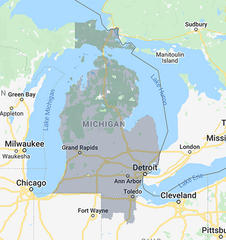
Our Locations
32985 Schoolcraft Road
Livonia, MI 48150
5985 Clay Avenue SW
Grand Rapids, MI 49548
2817 Bond St.
Rochester Hills, MI 48309
3805 Elmers Industrial Drive
Traverse City, MI 49685