
Foundation Cracks in Michigan: When to Be Concerned & How to Repair Them
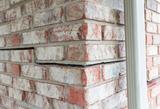
Michigan homeowners are no strangers to foundation cracks, especially with our harsh winters, freeze-thaw cycles, and shifting soil conditions.
While some cracks in foundation are simply cosmetic, others can be a sign of serious structural issues that need immediate attention.
So, are foundation cracks normal, or do they indicate a bigger problem?
The key to protecting your home is knowing when to worry about foundation cracks.
Types of Foundation Cracks in Michigan
Michigan’s climate and soil conditions can cause various types of foundation cracks, some of which are harmless, while others signal serious structural problems.
Knowing the foundation cracks to be concerned about can help you determine if your home needs professional repair.
Hairline Cracks
Hairline cracks in foundation are thin and often appear as a normal result of concrete curing. They should be monitored over time to ensure they don’t widen or allow water seepage.
Vertical Foundation Cracks
These cracks run up and down and are one of the most common types of foundation cracks in Michigan.
Horizontal Foundation Cracks
These cracks run side to side and are typically found in block basement walls. They can be long and continuous, forming parallel to the ground.
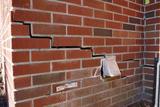
Stair-Step Cracks in Brickwork
Found in homes with brick or block foundations, stair-step cracks follow the mortar joints in a diagonal pattern.
If you’re unsure whether your home’s foundation cracks require professional repair, a foundation specialist from Foundation Systems of Michigan can assess the damage and recommend solutions.
Knowing when to worry about foundation cracks can help prevent costly structural problems and ensure your home remains safe and stable.
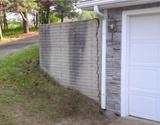
When to Worry About Foundation Cracks in Michigan
Not all foundation cracks require immediate action, but they should not be ignored.
When should you worry? Look for the following warning signs:
- Widening Cracks – If cracks grow in width or length, foundation movement may be the cause.
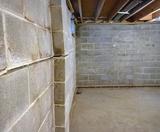
- Bowing Walls– These are a major concern in Michigan’s wet seasons, as hydrostatic pressure from expanding soil can cause basement walls.
- Cracks with Water Seepage – If moisture is entering through foundation cracks your basement may be at risk of flooding or mold growth.
- Sticking Doors and Windows – Changes in foundation alignment can make doors and windows difficult to open or close.
- Uneven Floor – If floors begin to feel unstable, foundation movement could be affecting your home’s structural integrity.
If you notice any of these warning signs in your Michigan home, it’s time to repair foundation cracks before they escalate.
Michigan Environmental & Climate Factors That Impact Foundations
Michigan’s diverse landscape and four-season climate create unique challenges for home foundations.
However, varying soil types, moisture levels, and temperature extremes contribute to foundation cracks and structural movement.
Soil Composition & Its Role in Foundation Cracks
- Southeast Michigan (Detroit, Ann Arbor, Lansing, Flint) – Many homes in this region sit on clay-rich soil, which swells when wet and shrinks when dry, leading to seasonal foundation movement and cracking.
- Southwest Michigan (Grand Rapids, Kalamazoo, Benton Harbor) – A mix of sandy and loamy soils can lead to uneven foundation settlement over time, especially near Lake Michigan, where water tables fluctuate.
- Mid-Michigan (Saginaw, Midland, Mount Pleasant) – This region contains a mix of clay, loam, and sandy soils, which are highly susceptible to shrink-swell cycles. Seasonal changes in moisture cause foundations to shift, leading to cracks.
- Northern Michigan (Traverse City, Alpena, Gaylord, Petoskey) – Homes in Northern Michigan often sit on sandy, rockier soil. They experience foundation issues from frost heaving and moisture intrusion, especially near inland lakes and the Great Lakes shoreline. Heavy snowfall and spring melt further contribute to the issue.
Weather Patterns & Their Impact on Foundation Cracks
- Freeze-Thaw Cycles – Harsh Michigan winters cause water in the soil to freeze and expand, putting pressure on basement walls and leading to foundation cracks.
- Heavy Rainfall & Flooding – Spring and summer storms can oversaturate the ground, leading to soil erosion and hydrostatic pressure against foundations.
- Spring Snowmelt – Large amounts of melting snow in March and April can saturate the soil, increasing the risk of water intrusion through foundation cracks.
- Lake Effect Moisture – Areas near Lake Michigan and Lake Huron experience higher humidity levels, contributing to moisture-related foundation problems and basement leaks.
The Risks of Delaying Foundation Crack Repairs in Michigan
Ignoring foundation cracks can lead to costly repairs over time.
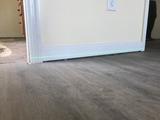
1. Cracks Expanding & Structural Weakness
- Foundation cracks widen as the soil shifts, making them more expensive to repair.
- A small hairline crack today can turn into a deep crack requiring major reinforcement.
2. Increased Repair Costs
- A minor foundation crack repair may be a simple fix now, but delaying it could lead to more extensive repairs, potentially doubling the cost as the damage worsens.
3. Basement Water Damage & Mold Growth
- Michigan’s high humidity levels increase the likelihood of water through foundation cracks.
- Moisture seepage can lead to mold, mildew, and structural decay.
4. Higher Heating Costs in Cold Climates
- Cracks in foundation walls create air leaks, allowing cold Michigan air to seep in.
- This results in higher energy bills and makes your home less efficient.
5. Lower Home Value & Failed Inspections
- Visible cracks can lead to failed home inspections and lower resale value, making it harder to sell your home.
Foundation Cracks FAQ
Any crack wider than 1/8 inch should be monitored. Cracks wider than 1/4 inch may indicate foundation instability and should be evaluated by a professional.
Most foundation crack repairs are completed in 1-3 days with minimal disruption.
Monitor the crack for widening, lengthening, or new branching. If a crack that was once hairline is now visible from a distance, it may indicate foundation movement.
While DIY sealants can provide temporary relief, they do not address the underlying foundation issue. Professional evaluation is recommended.
Protect Your Michigan Home – Get Expert Foundation Crack Repair
If you’ve noticed foundation cracks in your home, don’t wait until they turn into a major structural issue. What may seem like a minor crack today could worsen over time. Addressing the problem early can save you time, stress, and costly repairs down the road.
At Foundation Systems of Michigan, we understand the unique challenges Michigan homeowners face. Our team of experts can assess your foundation, explain your options, and provide a customized solution to protect your home’s stability.
Schedule a free, no-obligation foundation inspection today and gain peace of mind knowing your home is in the hands of trusted local professionals. Don’t wait—small cracks can quickly turn into bigger problems, but we’re here to help you keep your foundation strong for years to come.
If you’ve noticed foundation cracks in your home, don’t wait until they become a major structural problem. Schedule a free foundation inspection today with Foundation Systems of Michigan to protect your home.
Cracks in Foundation Related Resources

Leah Leitow
Publish Date:
Last Modified Date:
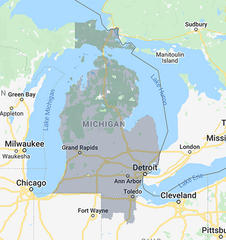
Our Locations
32985 Schoolcraft Road
Livonia, MI 48150
5985 Clay Avenue SW
Grand Rapids, MI 49548
2817 Bond St.
Rochester Hills, MI 48309
5555 Airport Hwy
Toledo, OH 43615
3805 Elmers Industrial Drive
Traverse City, MI 49685