
What Is Tar Coating?: Exterior Basement Waterproofing Method
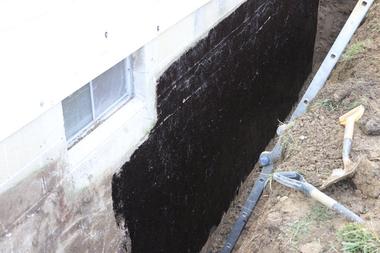
It is a common misconception that thick concrete foundation walls will keep your basement safe from the elements, especially water. Unfortunately, what a lot of homeowners don’t realize is that concrete is porous, which means it is full of tiny openings.
Water from the soil can enter the basement through concrete walls and cause problems. At first, you will notice that your basement is getting moist. Over time, those pores will widen, and water will start making its way in. During rainstorms or when large volumes of snow begin to melt, you will experience problems in your basement if you don’t waterproof the walls. Increased moisture levels in this area of the home can lead to wood rot, mold growth, and various other issues.
If you plan to use your basement as storage or you want to finish it and use it as a guest bedroom, a home gym, or an entertainment area, you should protect it from moisture. Several methods are used for this purpose and a tar coating can be one of them.
Tar coatings have been used for a long time by contractors. However, would a tar coating be the best solution for your basement? How effective is tar and should it be used together with other waterproofing measures? Read on to learn more as we discuss the pros and cons of using tar coating and provide you with all the details you need to make an informed decision.
What Is a Tar Coating?
Using tar coating to protect the basement against moisture is not something new. It has been practiced for decades all around the world. When builders are constructing a building, they apply this compound to the exterior foundation walls to keep moisture from infiltrating them. Afterward, they install a drainage system to direct water and moisture away from the home. How much tar do they use to cover the walls? Well, usually about three gallons of tar are sufficient for 100 square feet of foundation walls. While tar can dry in one day, it will need up to a week if it is very cold or damp outside.
How to Apply Tar Coating to the Foundation
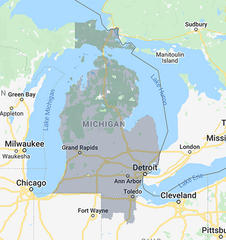
You should never apply tar coating on your own. Instead, call building contractors that serve the Michigan area and have them apply this coating to your foundation.
When contractors arrive at your home, they will first clean the whole foundation wall to remove any dirt. They will then inspect the wall to see whether there are any cracks and if so, they will repair them before moving on with the project. Next, they will apply tar coating with even strokes, spreading it evenly and making sure that it extends one foot above the ground level. After the coating is dry, which can take a day or two depending on the weather conditions, contractors will apply latex primer.
What Affects Tar Coating?
When applying a tar coating, contractors need to pay attention to several things. Some factors can impact the effectiveness of tar coating, so they must be taken into consideration. The surface of the wall must be completely clean, otherwise, the coating won’t keep the moisture out. In addition, the manufacturer’s guidelines and instructions have to be followed step by step. Another factor that can impact tar coating and lower its effectiveness is temperature. The presence of moisture on the exterior foundation wall also plays an important part.
Pros and Cons of Tar Coatings
Tar Coating Pros
This coating is seamless. If it is used correctly, it can stop dampness. In addition, it is durable and has high tensile strength, so you can be at ease knowing that it will keep your basement safe from moisture issues for years.
Tar Coating Cons
You should never apply tar coating by yourself. During the application process, tar releases toxic fumes which can severely harm you. This is why it is better to leave this task to skilled contractors and steer clear of DIY projects.
To make sure that water or moisture won’t infiltrate your basement, it is important to fix any existing cracks beforehand. Applying a layer of tar over the cracks won’t keep the moisture out. Experienced contractors will know to seal any cracks and large openings before applying waterproofing measures.
Why Tar Isn’t the Best Choice for Foundation Waterproofing in Michigan

Most homes already have tar on their foundation walls, and yet, they still leak. That’s because tar isn’t true waterproofing—it’s a temporary damp-proof coating that cracks, peels, and fails over time as the house settles and soil shifts. Reapplying the same tar layer and expecting different results just doesn’t make sense. Not only is it messy and expensive, but exterior tar coatings also tear up your yard and offer no long-term protection.
A true, long-term waterproofing system includes:
- A perimeter drain to capture groundwater before it reaches your basement.
- A sump pump to remove collected water safely.
- A vapor barrier to stop moisture from entering through basement walls.
- A dehumidifier to control humidity and prevent mold growth.
That’s why Foundation Systems of Michigan recommends interior waterproofing solutions. By completing the work inside, the environment can be controlled, the system stays accessible for maintenance, and the results are long-lasting and reliable.

We help protect everything you love, starting with your home’s foundation.
Tar Coating FAQs
Common symptoms include jamming doors and windows, sloping floors, and various forms of cracking in the home’s interior and exterior.
Rainwater can increase hydrostatic pressure on basement walls and floors, seeping through existing cracks or imperfections.
Costs vary based on basement dimensions and requisite materials. We offer free inspections, transparent pricing, and financing options to suit your budget.

Leah Leitow
Related Resources
Publish Date:
Last Modified Date:
Our Locations
32985 Schoolcraft Road
Livonia, MI 48150
5985 Clay Avenue SW
Grand Rapids, MI 49548
2817 Bond St.
Rochester Hills, MI 48309
5555 Airport Hwy
Toledo, OH 43615
3805 Elmers Industrial Drive
Traverse City, MI 49685