
5 Causes of Faulty Sump Pumps
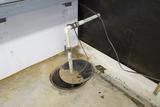
A sump pump is an essential piece of comprehensive basement waterproofing. It is the heart of the system, removing water from your basement to avoid flooding and other damage.
Sometimes, sump pumps can fail, causing a problem to the basement or the foundation of the house. This can happen for several reasons, which we’ll detail in this blog.
It’s important to recognize sump pump problems before this vital piece of equipment can no longer protect your house. Learn why sump pumps fail, what to look for, and how local basement waterproofing professionals can help you protect your home.
How a Sump Pump Works
Before exploring the causes of failure, let’s explain how a sump pump works.
A sump pump is used to remove water that has accumulated in a water-collecting sump basin, commonly found in the basements of homes. The water may enter via the perimeter drains of a basement waterproofing system, funneling into the basin, or because of rain or natural groundwater. Sump pumps move water from your basement out of your home.
A basic sump is a pit, usually, a hole carved below the main surface of your basement floor. This pit, known as a basin, holds the sump pump. The pump is equipped with valves that sense escalating water levels or pressure, making it very helpful for keeping basements dry.
5 Common Causes of Sump Pump Failure
A sump pump can stop working for many reasons. Here are the top five causes of a faulty sump pump.
1. Power Failure
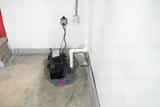
Heavy rains and thunderstorms can knock out the power to your home, and if you rely on a sump pump to keep up with rising groundwater, your home could be at risk for severe flooding. Bad weather, storms, and power failure most of the time concise to make one combination that makes the basements or foundations flood. If you experience a power outage and the water level rises over the float, the pump will not turn on to protect your home.
This can be avoided by simply purchasing a backup power supply for your sump pump.
2. Overwhelmed Sump Pump
During heavy rains, the pump might not be reliable enough or powerful enough to handle the volume of water pouring in. Your sump pump can easily become overwhelmed by an influx of water if it is not the right size or capable of the required horsepower. Also, having a too-large sump pump results in overwork and a shortened lifespan. Having a too-small sump pump results in underwork and shortened lifespan as well.
The quality of your sump pump matters too: a cheap, plastic model is more likely to burn out or fail to keep up with the water when it matters most. So if your house is located in a high water table, it is advised that you purchase a ½ horsepower sump pump which can pump out 60 gallons of water or more per minute. Minimally, you need ⅓ horsepower sump pump capable of pumping 35 gallons of water per minute.
3. Improper Installation
It is possible that your sump pump was initially installed incorrectly, which has resulted in its current state of ineffectiveness. If installed incorrectly, the back-flow of water may result in the pump impeller rotating in a backward motion and coming loose from the motor shaft. So installing a sump pump must be done exactly right, or your sump pump will sound differently, especially if you did not install a check valve on the discharge line.
Make sure to check if there’s an air relief hole in the discharge line to prevent air pressure from building up within the discharge pipe. Lastly, placing your sump pump in gravel or dirt since this causes debris to enter into your pump and can result in interference with the pump’s on and off switch or float arm.
4. Frozen or Clogged Discharge Lines
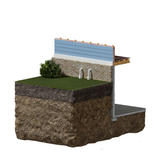
When a sump pump system is improperly designed, it becomes vulnerable to clogs in the system, including clogs related to frozen discharge lines. As a discharge line begins to clog, a sump pump system will be forced to work harder to keep up, leading to overheating and sometimes pump failure. When this occurs, the newly discharged water has nowhere to go but back into the sump basin, resulting in not only a flooded basement floor but also a sump pump that is constantly running. Your sump pump system won’t work.
Discharge lines should be clean and covered. To prevent your discharge pipe from clogging, make sure the opening of your pipe is protected with a grate. A special grated discharge line attachment will help. Your goal is to make sure your discharge lines can transport water out of the basement and far away from your foundation, even during the winter.
5. Lack of Maintenance
Some of the sump pump manufacturers recommend running a maintenance check every two to three months to make sure your sump pump machine is doing good. In many cases, your sump pump just needs a good cleaning and some quarterly maintenance. Sump basins and sump pumps must be maintained. However, it is recommended that sump pumps be replaced every few years. The U.S. Department of Housing and Development estimates the average life expectancy of a sump pump is up to 10 years if it has proper maintenance and is not overused.
Contact FSM for Reliable Sump Pump Systems
If you own a home and live in an area susceptible to excessive snow or rainfall, a sump pump is a smart choice. Not only does a sump pump contribute to your home’s water management strategy, but it also keeps you and your possessions dry and reduces the risk of mold, mildew, and the various health and breathing issues they contribute to. Having a fully functioning sump pump should be a priority.
Foundation Systems of Michigan offers a variety of reliable sump pump systems to meet your basement’s waterproofing needs. When installed with our other solutions, including interior drainage, dehumidifiers, wall vapor barriers, and discharge line protection, it forms a complete system that will keep your basement dry for years to come. Contact us today to schedule your free inspection and repair estimate!
FAQs
Foundation Systems of Michigan offers submersible sump pumps with various pumping capacities to handle different water flow situations. Our sump pump solutions also include battery backup options, providing an added layer of protection in case of power outages. Our experts will complete a thorough, free crawl space inspection to determine which sump pump system is right for your home.
A battery backup sump pump is a secondary pump that operates during power outages or if the primary pump fails. It’s highly recommended for homes to have this protection, especially in areas prone to heavy rains or those with histories of power outages during storms.
We discourage DIY troubleshooting due to the complexity of sump pump systems. For any issues, contact Foundation Systems of Michigan for expert assistance and a free estimate.

Leah Leitow
Publish Date:
Last Modified Date:
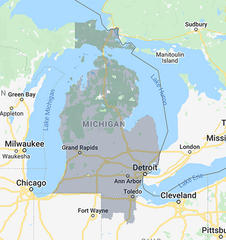
Our Locations
32985 Schoolcraft Road
Livonia, MI 48150
5985 Clay Avenue SW
Grand Rapids, MI 49548
2817 Bond St.
Rochester Hills, MI 48309
5555 Airport Hwy
Toledo, OH 43615
3805 Elmers Industrial Drive
Traverse City, MI 49685