
6 Steps To Identify Basement Issues
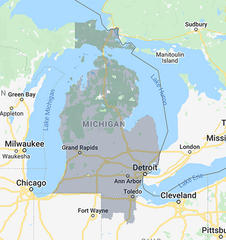
We have all types of soil across Michigan and into northwest Ohio. That includes sandy soil in Traverse City to a mixture of clay, sand, and silt called loam in Kalamazoo. Then we have clay soils in Detroit and Toledo. No matter what type of soil, there are always problems with home foundations.
Sandy soil drains well but can be subject to erosion. Plus, heavy rain can rapidly build hydrostatic pressure against basement walls. Clay soil expands and contracts with changing moisture levels, putting stress and strain on the foundation. Then there’s loam soil that can do all the above.
That makes it challenging for real estate professionals as they consider investment properties or as they help their clients buy and sell a home. Basements can be a big part of that equation since they add so much additional living space. Yet any moisture at all can cut off potential sales and drop home values precipitously.
We’ve pulled together six steps to help you identify basement issues.
1. Home Structure Inspection
A home’s structure starts with its foundation. That means the basement walls and support beams, which are holding up the rest of the home. Look at those walls for any cracks, gaps, or crumbling cement. Look at the support beams for any signs of wood rot. Upstairs look for cracked drywall, nail pops, tilted or sagging floors, and sticking doors and windows. Look outside for cracked brickwork or stucco and a tilting chimney. If you’re finding this type of damage, call in a foundation repair professional for a full review of the problems and a repair estimate.
2. Water Issues Search
Moisture or water in the basement can damage everything it touches. That includes wood rot, mold and mildew, and even structural damage to support beams. Watch for wet spots on the walls, water lines indicating the high-water mark from flooding, and efflorescence, a white chalky powder on the basement walls due to moisture. Consult a basement waterproofing expert to install an interior drainage system, sump pump, and dehumidifier.
3. Insulation Review
Here in Michigan, it’s important to have sufficient insulation to help with utility costs and keep your home warm in our long and cold winters. The best places to review a home’s insulation are in the attic and the basement. The attic can quickly show if there is enough insulation, and the basement can give you a glimpse of HVAC ductwork and the insulation on the walls. Top off or replace the attic insulation. Make sure the ductwork is properly insulated and undamaged, and use waterproof insulation panels on the basement walls. Those panels offer a vapor barrier to help with water issues.
4. Pest Inspection
Any cracks or gaps in the basement walls not only let in moisture but also attract and provide access for insects and rodents. That creates a health problem and sets up the foundation for more damage. Termites, as one example, can do serious damage to wooden support beams. Look for pest droppings, nests, tracks, and entry points. Seal cracks and gaps to prevent entry. Also, consider calling in an exterminator if you find a heavy infestation.
5. Basement Mechanicals Testing
As we noted above, water damages everything it touches. That includes any mechanicals or appliances in the basement: water heater, washer, dryer, furnace, and other units. It can also damage electrical circuits and outlets. There can be further damage from corrosion. A qualified technician can test everything and prepare a list of required repairs or replacement options.
6. Outside Water Drainage Review
Water in the basement and the water outside pressing against the basement walls comes from heavy rain or snowmelt. As that water collects on the home’s roof, it must be captured by the gutters and routed through the downspouts onto properly graded landscaping that moves the water well away from the foundation. Check to make sure the grading is correct that the gutters and downspouts are free of any obstructions and that they are in good repair. It’s also best to trim trees and shrubs well away from the roof and the foundation.
We Can Help Identify and Repair Any Basement Issues
As you evaluate any basement issues in properties you may be considering for investment, contact the professionals at Foundation Systems of Michigan. We can provide a free inspection and repair estimate.
FAQs
Yes, FSM has extensive experience dealing with various types of foundations. Whether you have a concrete slab, block foundation, or stone foundation, our experts are trained to handle the unique challenges posed by each material.
It depends on the floodwater type and duration of exposure. Clean water floods may allow carpets to be saved if dried quickly, but padding usually needs to be replaced. Contaminated water from sewage or outdoor flooding generally requires discarding both for health reasons.
The timeframe for resolving crawl space drainage problems varies depending on the severity of the issue and the solutions applied. Foundation Systems of Michigan will give an estimated timeline post-inspection. Our team works diligently to ensure the least possible interruption to your routine.

Leah Leitow
Publish Date:
Last Modified Date:
Our Locations
32985 Schoolcraft Road
Livonia, MI 48150
5985 Clay Avenue SW
Grand Rapids, MI 49548
2817 Bond St.
Rochester Hills, MI 48309
3805 Elmers Industrial Drive
Traverse City, MI 49685