
Why Is My Basement Floor Leaking?
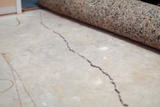
If you see water leaking into your basement through the floor, you’re likely dealing with structural damage. Fixing the issue requires a high-quality water management system and foundation repair tools. Foundation Systems of Michigan has put together this short guide on why you’re finding water leaking through the floor.
How to Spot a Basement Floor Leak
Identifying a basement floor leak is easy—look for cracks in the floor and water coming through them. You might also notice other issues:
All of these problem signs hint at water intrusion in your basement and structural damage to the basement itself. These issues won’t resolve themselves—they’ll only get worse over time, so it’s important to act quickly when you notice them.
3 Common Causes of Basement Floor Leaking
Leaking basement floor cracks occur for various reasons. Understanding their causes allows you to keep an eye out for issues. Here are some common reasons why they may develop:
1. Expansive Soil
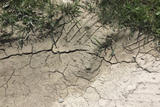
Some homes are built on expansive soils like clay. Why are they called expansive soils? During bouts of heavy rain or periods of snowmelt, these soils swell and expand in size as they absorb the water.
When this happens, the soil becomes displaced, and it has a direct impact on your basements structure. The ground starts to put pressure on the basement floor and may cause them to crack as a result. It doesn’t stop there though. Once the water has dried, the particles in the soil lose their moisture and shrink, causing the ground to shift again.
When expansive soils shrink back down, it leaves gaps between the basement floor and ground. No longer supported by the soil, the basement floor sinks into the gaps and causes even more damage to the structure. From then on, water that drains into the soil below the basement has a chance to leak through these cracks.
2. Hydrostatic Pressure
After a storm, water saturates the ground and fills it with moisture. Without proper drainage, groundwater drains near the basement where it collects over time.
Eventually, the water builds up so much that it starts to exert pressure onto the basement walls and floor. This is what we call hydrostatic pressure, and it can cause the floors to crack open. When this happens, it allows all of that building water to leak inside and cause water damage.
See a visual representation of how hydrostatic pressure works in an informational video from out friends at Groundworks.
3. Tree Roots
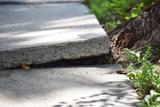
There is a reason it is not recommended to plant large trees close to your home. In time, they will grow even bigger and their root system will expand. Once the roots approach your basement, the cause cracks and other damage as they push against the structure.
Roots can also damage plumbing lines located below the basement floors, causing even more leakage. When you are planting new trees, or buying a new home, make sure that the trees are at least 20 feet away from your home to lower the chances of damage.
FSM’s Comprehensive Waterproofing System
FSM offers a waterproofing system designed to specifically target basement floor cracks and their potential for leaks. Our expertise and specialized solutions ensure a reliable and long-lasting resolution to this common issue. Let’s how the system works:
Step 1: Crack Inspection
Our trained professionals conduct a thorough inspection of your basement floor cracks to identify their cause and severity. This initial step is crucial to developing an appropriate and effective plan of action.
Step 2: Interior Basement Waterproofing
To provide comprehensive protection against basement floor crack leaks, FSM’s waterproofing system includes the installation of an interior drainage system. This system collects and redirects any water seepage away from your basement floor, ensuring a dry and secure living space.
Step 3: Sump Pump Installation
To further enhance the waterproofing system, FSM recommends installing a sump pump. This device efficiently collects and pumps out any water that may accumulate, effectively preventing basement flooding and protecting against further damage.
Step 4: Wall Repair
How does wall repair fix basement floor leaks? It stops the basement from settling and shifting further. With tools like wall anchors and steel I-beams, Foundation Systems of Michigan creates more stability for your basement and lessens that chance that cracks will form (where water can get in).
Schedule a Free Basement Inspection With Foundation Systems of Michigan!
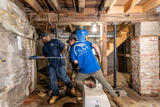
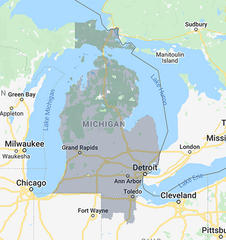
FSM has established a strong reputation in Michigan and northern Ohio as the trusted professional in basement waterproofing. Our commitment to excellence, combined with our extensive experience and cutting-edge technology, sets us apart and ensures a dry and secure basement environment for your home..
Trust FSM to deliver the highest quality solutions, allowing you to repair basement floor cracks and put water back in its place. Contact us today to schedule a free inspection and take the first step towards a permanently dry basement.
FAQs
Yes, addressing moisture issues as soon as possible prevents further damage, mold growth, and potential structural issues.
Even new homes can benefit from waterproofing measures to prevent future problems, especially if located in areas prone to high groundwater levels or heavy rainfalls.
While it might seem logical to mask or fill in floor cracks, it’s only a temporary fix. Ignoring the root problem means the issue will recur. Trust our experts for long-lasting solutions that not only treat the symptoms but also address the cause.

Leah Leitow
Publish Date:
Last Modified Date:
Our Locations
32985 Schoolcraft Road
Livonia, MI 48150
5985 Clay Avenue SW
Grand Rapids, MI 49548
2817 Bond St.
Rochester Hills, MI 48309
5555 Airport Hwy
Toledo, OH 43615
3805 Elmers Industrial Drive
Traverse City, MI 49685