
Basement Winterizing Tips for Your Michigan Home
Michigan homeowners know that when the leaves begin to fall and the temperatures dip, it’s time to prepare their homes (and themselves) for harsh winter weather. When changing your summer wardrobes over to winter ones, it’s time to think about protecting your home for winter as well. From Grand Rapids to Traverse City, Michigan homeowners are dusting off their home maintenance checklists and getting their basement or crawl space ready for colder temps with these important winterizing tasks.
From frozen pipes to basement leaks and mold to foundation damage, winter weather can be harsh on your home. But if you follow an annual home maintenance plan, taking a little time now to get your home ready can save you more time and money in the future from repairs caused by winter weather. Waterproofing the basement, insulating and repairing the crawl space, protecting windows and doors from air leaks, and getting a professional foundation inspection in the fall are good places to start.
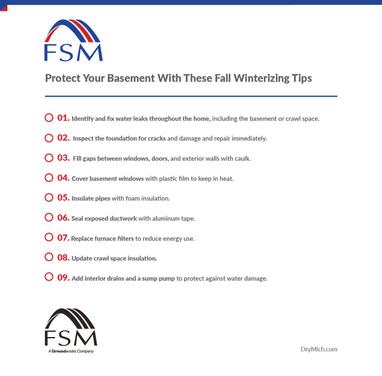
What is your biggest fear when winter weather comes? In Michigan, the winter months bring freezing temperatures, snow, and damaging winter storms. For homeowners, freezing temperatures can cause frozen and burst pipes. Water damages are some of the costliest repairs homeowners must make in the life of the home. In addition, water can damage a home’s foundation and cause mold and mildew to grow in the basement or crawl space. To protect your home this winter, take a look at these fall winterizing tips for Michigan homeowners.
Check For and Repair Leaks and Cracks
Check your home carefully for water leaks. From the attic to the basement, water leaks can require expensive home repairs in the winter. To accomplish this, check each door and window throughout the home for visible moisture and water leaks. You may need a professional assessment for hard-to-reach areas like the crawl space and attic.
If you identify mold or mildew or notice standing water that you can’t find a source for in the home, you may have identified a leak that should be fixed before winter weather comes. Fixing water leaks can also help protect your home against pests looking for warm places to hide during the winter months. Fixing cracks in your home’s foundation, repairing broken pipes, and identifying and filling gaps around windows and doors will help protect your home from water damage this winter, reduce costly heating bills, and minimize mold, mildew, and pests.
In addition to water leaks, finding and fixing air leaks throughout the home will also help reduce your energy use and lower heating bills this winter. To find air leaks in your home, run your hand along windows and doors. If you feel a change in temperature, you may have a leak. Adding insulation inside and outside of doors and windows with caulk is one way to fix air leaks and reduce heating costs.
Insulate Windows, Doors, Pipes, and Ductwork
- To better insulate basement windows, add curtains or other coverings, including plastic film. This can help insulate less-used windows in the home that may be leaking warm air.
- Protect your home from the high cost of water damage due to burst pipes in the winter months by adding foam insulation around pipes in your basement or crawl space.
- Seal exposed ductwork in the home with aluminum tape to add insulation and reduce leaks. In addition, improving insulation throughout your home’s crawl space can help protect against broken pipes and reduce heating costs.
For extra protection against water damage in the home’s basement, install a sump pump with a backup battery. Adding basement waterproofing protection can help you save money from repairs due to frozen and burst pipes or other winter weather.
Replace furnace filters in the fall to improve energy use throughout the year and heating outputs throughout the home. Reducing energy costs is good for both the environment and your wallet, it will help keep your family warm, and your basement will be water-free this winter.
Reduce Energy Costs with Efficiency Measures
You can save even more money off heating costs by adding an EnergyStar efficient gas furnace to your home. More than 50% of home energy use in the U.S. is used for heating and air conditioning.
Finally, installing smart home appliances like a programmable thermostat can save you 10% or more on your winter heating bills.
For help winterizing your basement or crawl space this fall or checking your foundation for leaks or damage, contact the foundation repair experts at FSM to schedule a free inspection.
FAQs
In winter, the thawing of frozen ground and snow can create excess water around your foundation, which can lead to leaks.
We discourage DIY attempts as they offer superficial solutions that might not address the underlying issues. For significant cracks or if in doubt about damage origins, always consult professionals like Foundation Systems of Michigan. Experts ensure a thorough, long-term fix that stops possible hazards.
The cost for foundation repairs varies based on multiple elements, including the severity of damage and the products employed. For a precise quote, reach out to Foundation Systems of Michigan. We offer free inspections and estimates, transparent cost structures, and versatile payment options.

Leah Leitow
Publish Date:
Last Modified Date:
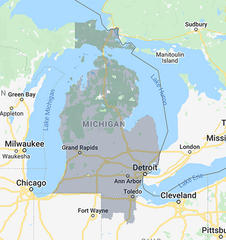
Our Locations
32985 Schoolcraft Road
Livonia, MI 48150
5985 Clay Avenue SW
Grand Rapids, MI 49548
2817 Bond St.
Rochester Hills, MI 48309
5555 Airport Hwy
Toledo, OH 43615
3805 Elmers Industrial Drive
Traverse City, MI 49685